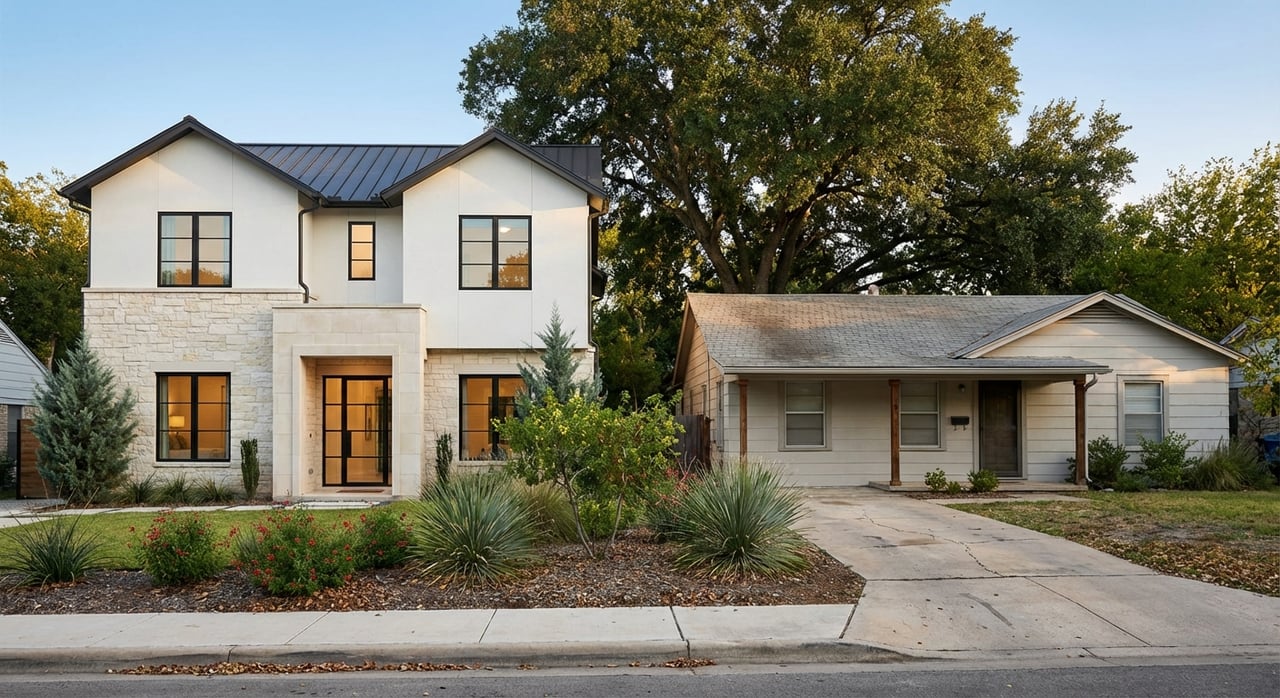
Are you trying to make sense of the Marble Falls housing market before you buy or sell? With lakefront demand, a steady stream of Austin relocations, and new construction in the Hill Country, it can be hard to separate noise from signal. You want a clear picture of prices, inventory, and how long homes take to sell so you can plan with confidence. This guide lays out the key trends to watch in Marble Falls and greater Burnet County, how to read them in plain English, and what they mean for your timing and strategy. Let’s dive in.
Scope and how to read local data
When you hear “Marble Falls market,” make sure you know the geographic scope behind the numbers. City data can look different from broader Burnet County figures, and lakefront properties often move differently from inland neighborhoods. Small markets have fewer monthly sales, so metrics can swing from one month to the next. You’ll get a clearer view using quarterly or 12‑month rolling trends.
If you track your own dashboard, focus on the last 24 months and note the source and date for each metric. For example, MLS statistics can define “days on market” differently from public portals. For small sample sizes, a three‑month average smooths out outliers like one luxury lakefront sale.
Supply snapshot: inventory and new listings
Supply is the foundation for understanding price pressure and negotiating power. Track these metrics monthly and compare them to last year’s levels.
- Active listings: homes for sale on the market right now.
- New listings: homes that entered the market this month.
- Pending sales: accepted offers awaiting closing.
- Closed sales: completed transactions recorded by the MLS.
- Months of inventory (MOI): active listings divided by average monthly sales. It shows how long current supply would last.
A helpful rule of thumb for MOI:
- Under 3 months is a seller’s market
- 3 to 6 months is balanced
- Over 6 months is a buyer’s market
If active listings rise faster than sales, MOI climbs and buyers gain leverage. If new listings are steady but pendings increase, supply tightens and sellers can hold firmer on price. Watch for seasonal patterns around the lake. Spring and early summer often bring both more listings and more buyers given recreation season and second‑home interest.
Market terms, simplified
- Median sold price: the middle sale price. Half sold for more, half for less.
- Median list price: the middle asking price at a moment in time.
- Price per square foot: sale price divided by living area for apples‑to‑apples comparisons.
- Days on market (DOM): days between listing and contract acceptance.
- Sale‑to‑list price ratio: closed price divided by the last list price, expressed as a percent.
- Absorption rate: the percent of inventory sold in a month, the inverse of months of inventory.
- Building permits: authorizations for new homes. They signal future supply.
Price trends to watch
Price trends tell you where the market has been, not where it is going tomorrow. Read them alongside supply and speed.
- Median sold price and price per square foot help you track direction. Because Marble Falls includes lakefront and acreage properties, medians can jump on a few high‑end sales. Use a rolling average and compare similar property types.
- Median list price shows seller expectations. If list prices rise while sold prices are flat, buyers may be negotiating more.
- Sale‑to‑list price ratio confirms leverage. Ratios above 100 percent imply bidding pressure. Ratios below 100 percent point to more room for negotiation.
Lakefront properties often command a premium price per square foot compared with inland Marble Falls and nearby towns. That premium reflects water access and amenities. If the gap widens, it signals stronger second‑home demand or scarce lakefront supply.
Market speed and leverage
Speed tells you how quickly good homes are getting snapped up.
- Falling DOM with tight MOI usually means strong demand. Expect faster decision windows and fewer concessions.
- Rising DOM with higher MOI points to a market where buyers can take more time, include contingencies, and negotiate repairs or credits.
- The ratio of pendings to new listings shows momentum. More pendings than new listings means buyers are absorbing inventory faster than it hits the market.
Link these together for a more complete story. For example, rising inventory plus rising DOM with flat prices usually signals a shift toward buyers. Falling DOM with higher sale‑to‑list ratios points to sellers regaining control.
New construction pipeline in Marble Falls
New‑builds matter because they change future supply. Focus on three signals:
- Building permits for single‑family homes. These are a forward indicator. There is usually a 6 to 18 month lag from permit to closing, depending on the project.
- Lot inventory and subdivision activity. Approved plats and finished lots suggest more homes will hit the market over the next year.
- Builder incentives and pricing tiers. Incentives like closing cost credits or upgrades appear when builders need to move inventory, often before resale prices fully adjust.
If most new‑builds target higher price tiers, entry‑level resale inventory can stay tight. If permits and finished lots rise steadily while demand is flat, you may see more choice and slower price growth ahead. Ask about HOA plans and amenities, which influence buyer demand and operating costs.
Demand drivers shaping Marble Falls
Several forces support housing demand in Marble Falls and Burnet County:
- Migration from Austin and other Texas metros, especially with hybrid work making longer commutes more feasible.
- Retiree interest in the Hill Country lifestyle.
- Second‑home and lake buyers around Lake Marble Falls and nearby water access.
- Local employment and infrastructure improvements that can boost demand over time.
These drivers are seasonal. Warmer months often bring more showings and offers for lake‑oriented homes, while fall and winter can offer calmer conditions for inland purchases. Short‑term rental rules, if adjusted, can also influence investor appetite near the lakes.
What it means for buyers
Use the data to right‑size your timing and negotiation plan.
- Get pre‑approved early. In faster segments, sellers favor strong financing. Cash and well‑underwritten approvals shorten risk.
- Track months of inventory and DOM by your micro‑market. A lakefront home behaves differently than an inland subdivision.
- Expect 30 to 45 days from contract to close for financed purchases in Texas. Build that into your timeline alongside the current median DOM for your target area.
- Shop both resale and new‑build options. New homes may carry premiums, but builders sometimes offer incentives that lower your net costs.
- Use sale‑to‑list price ratios to set offer strategy. Ratios near or above 100 percent suggest you should lead with your best terms.
- Plan for inspection, appraisal, and title timelines. When inventory is tight, consider limiting requests to safety or system issues to stay competitive.
What it means for sellers
Sellers win on preparation and pricing discipline.
- Price to the trend in your sub‑market. Compare recent sold price per square foot for similar homes and adjust for condition and lot features.
- Watch DOM and MOI. If MOI rises and DOM increases, plan for more days on market and potential concessions.
- Stage for photos and showings. Neutral décor and clear curb appeal help in any market. Lake and view properties benefit from exterior‑first visuals.
- Get ahead of repairs. Pre‑listing inspections can surface issues early and reduce surprises during option periods.
- If competing with nearby new‑builds, consider offering buyer incentives such as credit for closing costs or rate buydowns to match builder packages.
- Align your list date with seasonality. Spring and early summer can attract more lake‑oriented traffic, though serious buyers shop year‑round.
Lakefront vs inland: how pricing behaves
Lakefront inventory is limited, and amenities carry a premium that shows up in price per square foot. Inland homes in Marble Falls and Burnet County typically trade in a tighter band and can move more in line with mortgage rate shifts. Track these separately so you do not over‑ or under‑price based on a few outlier sales.
Also watch the share of cash sales. A higher cash share often signals second‑home or investor interest. Cash can shorten timelines and narrow negotiation windows for certain segments, especially near the lakes.
Reading the market like a pro
Combine a few simple metrics to get an accurate read without overreacting to one month of data:
- Price direction: use a 3 or 12‑month rolling median sold price.
- Balance: watch months of inventory versus the seller‑buyer threshold.
- Speed: track median DOM alongside the sale‑to‑list price ratio.
- Momentum: compare pendings to new listings. More pendings mean faster absorption.
- Pipeline: check permits and lot activity each quarter.
If two or more indicators point the same way, you likely have a real trend forming. If they conflict, hold off on big conclusions and watch the next few data points.
Timelines and expectations
Your total path from search to keys depends on inventory and your financing.
- Typical financed closings in Texas take about 30 to 45 days after going under contract.
- Add the current median DOM in your target sub‑market to estimate how long it may take to secure a contract.
- Many buyers plan for 60 to 90 days from active search to close in balanced conditions. Cash buyers and vacant homes can shorten that.
Build in time for pre‑approval, inspections, appraisal, and any repair negotiations. If you are selling and buying, plan your dates carefully to minimize overlap costs or consider temporary housing as a buffer.
How a local advisor helps
A neighborhood‑savvy agent can pull the latest MLS numbers for Marble Falls city limits and Burnet County, separate lakefront from inland trends, and compare resale and new‑build options in real time. You also benefit from early insight into builder incentives, lot releases, and seasonal shifts in buyer traffic so you can time your move with less stress.
Ready to see how the current trendlines affect your next step in Marble Falls? Connect with Rocky Winston for tailored guidance, real‑time market stats, and a free home valuation to map your plan with confidence.
FAQs
Is Marble Falls a buyer’s or seller’s market right now?
- Check months of inventory, days on market, and the sale‑to‑list price ratio. Under 3 months of inventory favors sellers, 3 to 6 is balanced, and over 6 favors buyers.
How long does it take to buy a home in Marble Falls?
- Plan for the current median DOM in your target area plus 30 to 45 days for a typical financed closing in Texas. Cash purchases may close faster.
Should I choose new construction or a resale in Marble Falls?
- New‑builds offer warranties and customization but can carry premiums and longer timelines. Resales offer established neighborhoods and immediate occupancy. Compare net costs and timing.
Are prices still rising in Marble Falls?
- Track the 3 or 12‑month rolling median sold price. Compare it with inventory and DOM to confirm direction, and use rolling averages to smooth small‑sample swings.
How much more do lakefront homes cost vs inland?
- Lakefront homes typically carry a price per square foot premium due to water access and amenities. Measure the gap by comparing recent lakefront and inland sales in the same period.
How do mortgage rates impact Marble Falls buyers?
- Higher rates reduce purchasing power, which can cool bidding and lengthen DOM. When rates ease, demand can rebound and tighten inventory, especially in popular segments.