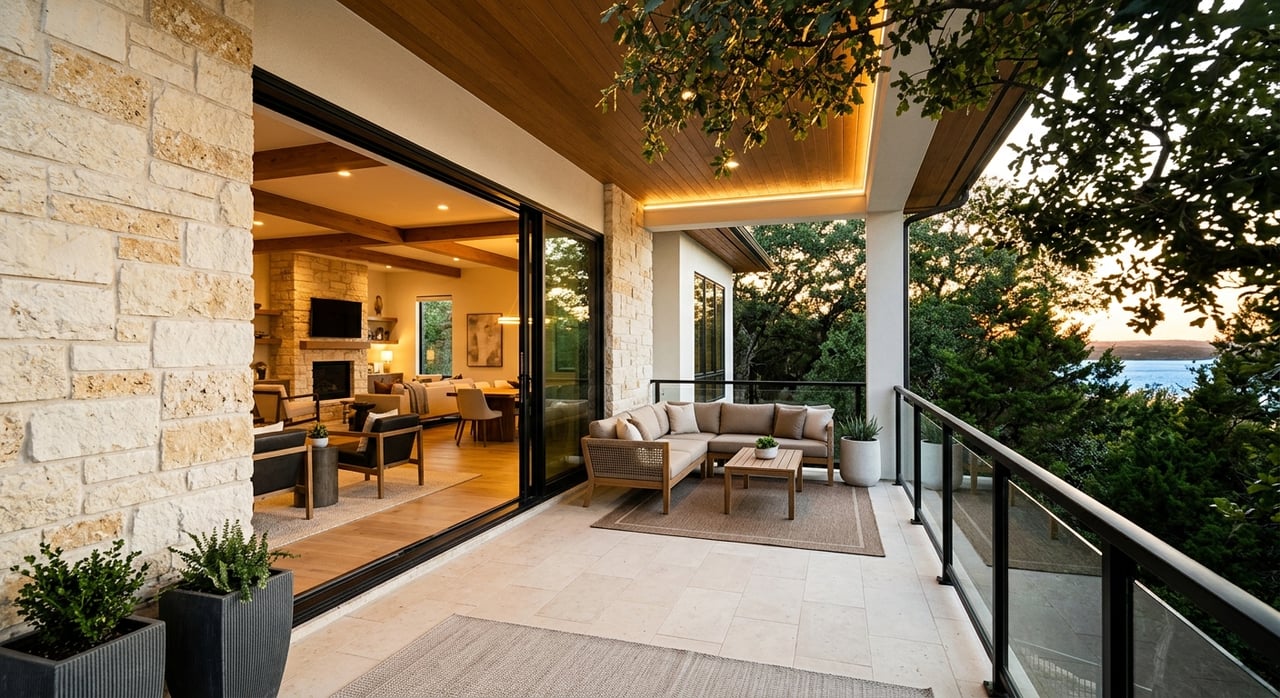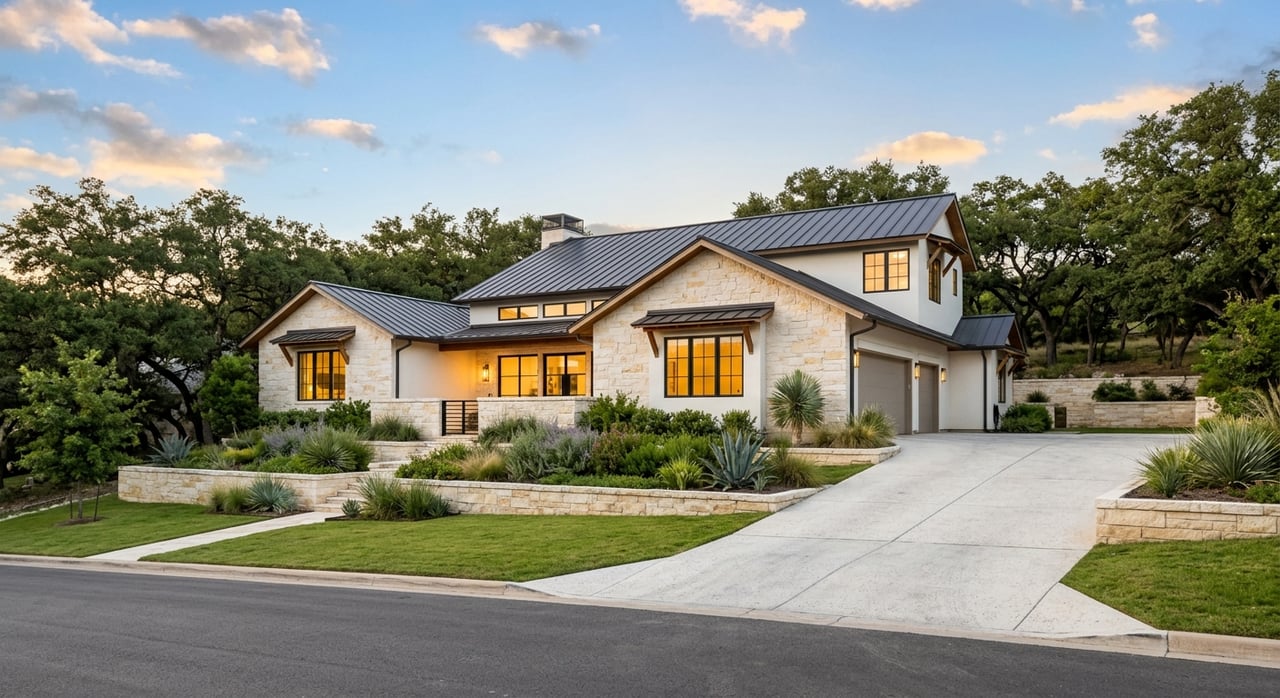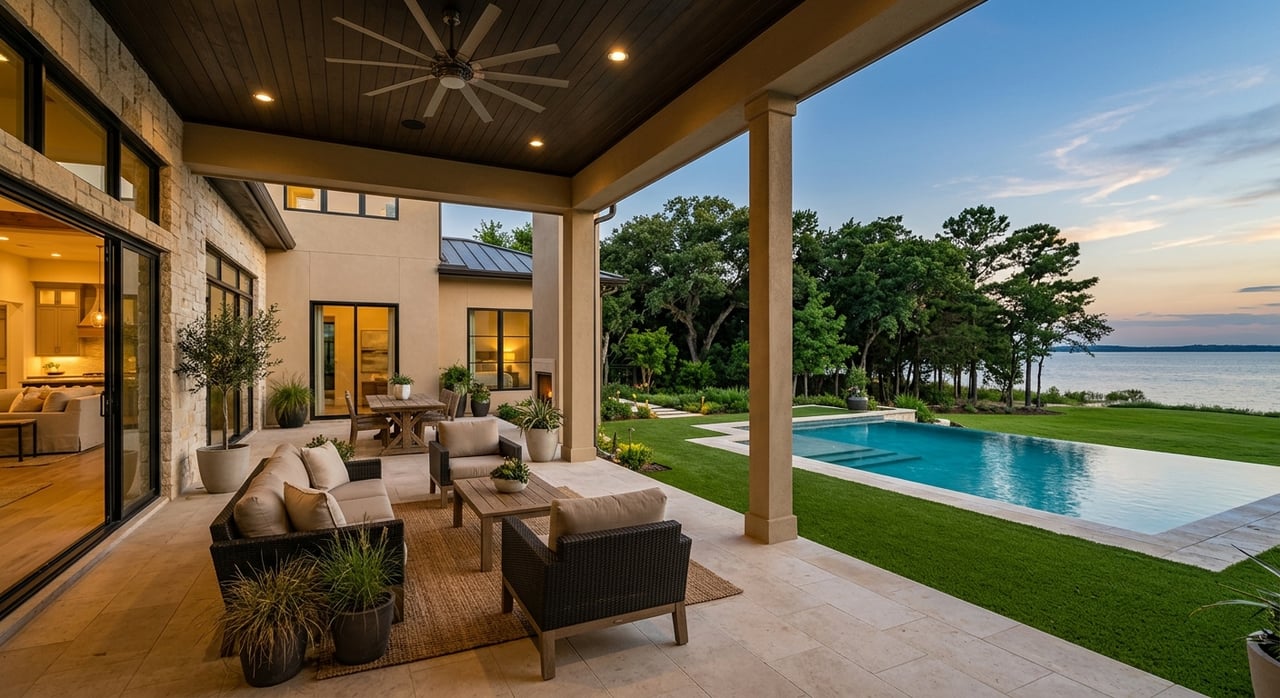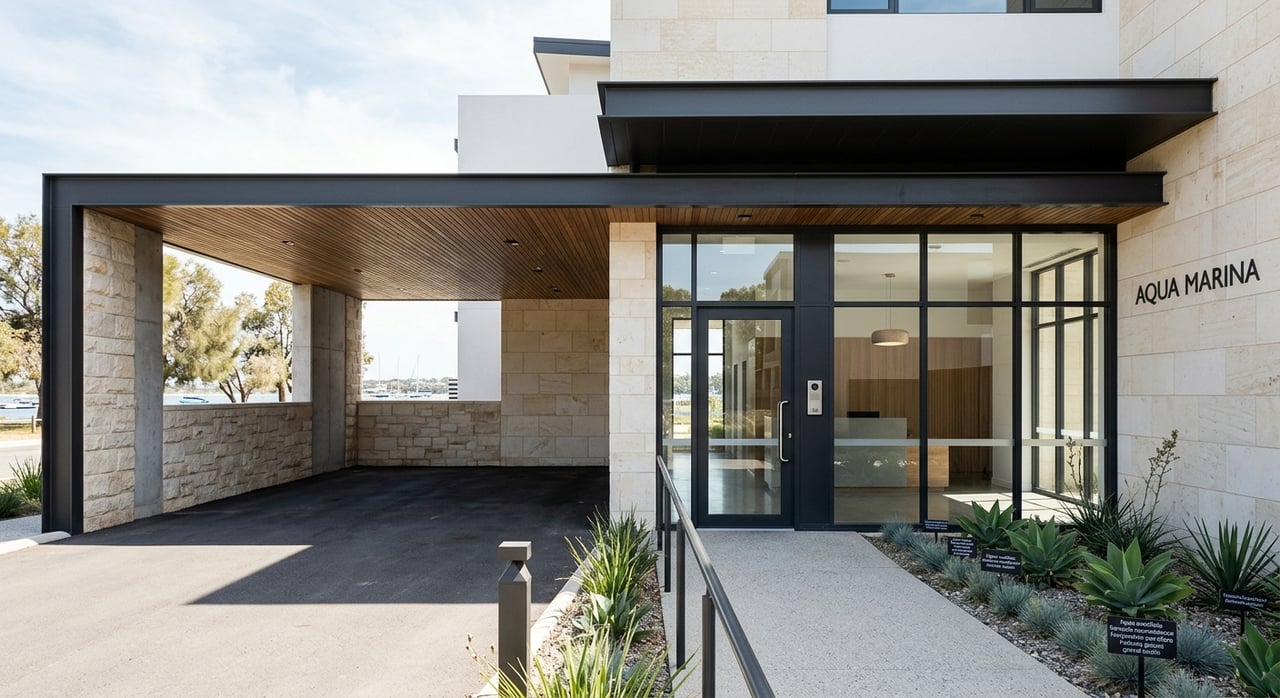
Wondering whether a waterfront condo or a waterfront home makes more sense in Volente? That choice can shape not just your budget, but also your day-to-day upkeep, your lake access options, and the kind of control you have over the property. If you are comparing both, it helps to look beyond square footage and view. Let’s break down what to know before you make a move.
Volente Waterfront Living Basics
Volente is a lakeside village on Lake Travis in northwestern Travis County, about 18 miles northwest of Austin. If you are buying on the water here, the property itself is only part of the picture. Shoreline access, lake rules, and local permitting can all affect how you use and improve the property.
That matters because waterfront ownership in Volente can be more address-specific than buyers first expect. Two properties with similar views may come with very different maintenance responsibilities, dock options, or permitting needs. In other words, a condo-versus-home decision here is also a lifestyle and due diligence decision.
How Condo Ownership Works
In Texas, condo ownership generally means you own your individual unit while sharing ownership or use of common elements. Those common elements can also include limited common elements, which may cover things like certain shared-use or assigned spaces depending on the condominium documents. That structure is different from owning a detached home on its own lot.
Texas law also allows condominium associations, unless the declaration says otherwise, to regulate use, maintenance, repair, replacement, modification, and appearance of the condominium. In general, the association is responsible for common-element upkeep, while each owner is responsible for the owner’s unit. For you as a buyer, that means the governing documents carry a lot of weight.
How Detached Home Ownership Differs
A detached waterfront home typically gives you more direct control over the lot, outdoor space, and any shoreline-related improvements. If you want a property where you manage the exterior, yard, and waterfront features more directly, a single-family home often fits that goal better. You are usually trading simplicity for control.
That added control also means more hands-on responsibility. Exterior maintenance, site coordination, and any lake-related improvements often fall more squarely on the owner. On a lakefront property, that can include a lot more moving parts than buyers expect at first glance.
Why Condos Appeal to Some Buyers
For many buyers, a waterfront condo is appealing because it can be more lock-and-leave friendly. Since the association generally handles common-element upkeep, condo living may involve less exterior maintenance on your part. That can be attractive if you travel often, split time between homes, or simply want fewer property tasks.
Still, you should not assume every condo community works the same way. The exact split of responsibilities depends on the declaration and rules for that specific property. Before you buy, it is worth confirming what is covered, what is not, and what owner obligations still remain.
Why Homes Appeal to Some Buyers
If privacy, outdoor control, and flexibility matter most to you, a waterfront home may be the better fit. A detached home can offer more freedom in how you use the lot, store equipment, or plan future improvements. For some buyers, that extra control is the main reason to choose a home over a condo.
The tradeoff is that more freedom usually comes with more responsibility. You may need to coordinate maintenance, review permits, and investigate shoreline limitations yourself. On Lake Travis, that can become especially important if a dock is part of your plan.
Dock Access Can Be a Major Difference
In Volente, dock feasibility is often one of the biggest differences between a waterfront condo and a waterfront home. If a condo community offers shared waterfront features, your use may be governed by association documents rather than by direct lot ownership. If you are considering a detached home, dock rights and dock feasibility become more property-specific.
According to LCRA, residential docks on Lake Travis must meet safety standards, and not every shoreline location is suitable for a dock. Shallow water, narrow coves, rocky terrain, and other hazards can affect whether a dock works on a given site. LCRA also states that the maximum extension from shoreline is 100 feet.
There is another key issue many buyers miss. LCRA says a dock owner must own or have permission to use the submerged land or underwater anchor area. It also does not resolve private property-rights disputes, so survey and title review matter if shoreline boundaries or dock placement are unclear.
Permits Matter More Than You May Think
Waterfront improvements in Volente can involve both local and lake-specific review. The Village of Volente’s building and permitting page lists site-development and building applications and includes a floodplain LCRA form and a FEMA elevation certificate among its permit paperwork. That is a strong sign that shoreline-adjacent work may involve more than a simple contractor bid.
If you are buying a detached waterfront home, this can affect future plans for additions, grading, shoreline work, or other improvements. If you are buying a condo, the association may already control much of that process for common areas, but you still need to understand what changes are allowed to your unit or any limited common elements. Either way, permitting is part of the ownership picture.
Condo Rules Deserve a Close Read
When you buy a condo, parking, storage, and similar extras are not automatic. Texas law allows condo associations to adopt rules affecting common elements and charge fees for their use. Because common elements can include limited common elements, buyers should confirm whether parking spaces, storage areas, and other features are deeded, assigned, or controlled by the association.
That detail matters on the waterfront, where storage for lake gear, trailers, or vehicles may be a practical concern. You do not want to assume a space is included only to learn later that it is assigned differently or subject to changing rules. In condo communities, the documents often tell the real story.
Cost Comparison Is Not Just Purchase Price
A condo and a detached home may have very different ownership costs even if the asking prices seem close. With a condo, buyers should review dues, reserve funding, and potential assessment exposure. Under Texas law, common expenses are assessed against units, and the association has a lien for unpaid assessments and related charges.
With a detached home, you may avoid condo dues, but you may take on more direct maintenance costs for the structure, outdoor areas, and shoreline-related items. The right choice depends on whether you would rather pay for more shared management or handle more items yourself as they arise. Neither option is automatically better. It depends on your priorities.
Older Condo Communities Need Extra Review
Not every Texas condo is governed the same way. Chapter 82 of the Texas Uniform Condominium Act applies to condominiums recorded on or after January 1, 1994. Older projects may be covered only if their declaration opted in or already adopted that framework.
There is another nuance that matters for buyers. Texas Property Code Chapter 209 does not apply to condominiums. That means a generic HOA summary is not enough when you are evaluating a condo in Volente. The declaration, bylaws, and rules deserve careful review because they are central to how ownership works.
Flood Zone Screening Should Be Early
Any waterfront purchase in Volente should include early flood screening. FEMA identifies the Flood Map Service Center as the official public source for flood-hazard information, and NFIP requirements apply in Special Flood Hazard Areas shown on FEMA flood maps. This is one of the first items worth checking when you narrow down a property.
Flood insurance can also affect your monthly costs. FEMA states that flood insurance is required when a property in a high-risk area is financed with a mortgage from a federally regulated or insured lender. Whether you are leaning toward a condo or a home, flood-zone status is a practical part of budgeting and risk planning.
Which Option Fits Your Lifestyle?
A waterfront condo in Volente is often a better fit if you want simpler upkeep, shared responsibility, and easier time away from the property. It can make sense if your top goals are convenience, lower hands-on maintenance, and a more managed ownership structure. That tends to line up well with buyers who want a second-home feel or a more streamlined day-to-day experience.
A waterfront single-family home is often a better fit if you want more privacy, more control over outdoor space, and potentially more flexibility for storage or dock-related improvements. If you enjoy having direct say over the property and are comfortable with more maintenance and coordination, a home may be the stronger match. In Volente, the best choice usually comes down to the specific property, lot, and shoreline conditions.
A Smart Volente Due Diligence Checklist
Before you choose between a waterfront condo and a waterfront home, it helps to review the issues that most often affect value and usability in Volente.
- Review the condo declaration, bylaws, and rules if you are considering a condo
- Confirm whether parking, storage, and other extras are deeded, assigned, or association-controlled
- Check condo dues, reserve funding, and possible assessment exposure
- Review survey details and any shoreline or dock rights
- Verify FEMA flood-zone status early
- Ask about any Village of Volente or LCRA permit issues tied to current or future improvements
- Investigate whether dock placement is feasible for the specific property
In Volente, these questions are often highly property-specific. That is why side-by-side comparisons can be misleading unless you dig into the details behind each address.
If you are weighing waterfront condos versus homes in Volente, the right move is usually the one that fits your lifestyle, risk tolerance, and plans for the property. A careful review of the documents, shoreline factors, and permitting picture can save you time and stress later. If you want help comparing options in Volente and the Lake Travis area, connect with Rocky Winston.
FAQs
What is the main ownership difference between a waterfront condo and home in Volente?
- A waterfront condo generally means you own your unit and share ownership or use of common elements, while a detached waterfront home usually gives you more direct control over the lot, outdoor areas, and shoreline-related improvements.
What should buyers review in a Volente waterfront condo before making an offer?
- You should review the declaration, bylaws, rules, dues, reserve funding, assessment exposure, and whether parking or storage areas are deeded, assigned, or controlled by the association.
Can every waterfront home in Volente have a dock on Lake Travis?
- No. LCRA says not every shoreline location is suitable for a dock, and factors like shallow water, narrow coves, rocky terrain, safety standards, and rights to submerged land or anchor areas can all affect feasibility.
Why do permits matter for waterfront property in Volente?
- The Village of Volente’s permitting materials include site-development and building applications, plus floodplain-related paperwork, which means shoreline-adjacent improvements may involve both village review and lake-specific rules.
How can flood zones affect a Volente waterfront purchase?
- FEMA flood maps identify Special Flood Hazard Areas, and flood insurance is required when a high-risk property is financed with a mortgage from a federally regulated or insured lender.
Is a waterfront condo or home usually better for lock-and-leave living in Volente?
- A waterfront condo is often the better fit for lock-and-leave living because shared maintenance is built more directly into the association structure, though the exact responsibilities depend on the specific condo documents.